THE WARRIOR'S LIBRARY: Safe Self-Development After the Uniform (Part 1)
By Robert Pierce | Founder, VTXY LLC & VeteransYard.net
After you take off the uniform, there's a quiet kind of work to do. It's the work of figuring out who you are now, what you stand for, and where you're headed. Sometimes it shows up at 2:00 AM when the house is silent and the old structure, purpose, and team are gone.
The military taught us to push through pain and never quit. Those instincts saved lives. But self-development isn't a forced march. Real growth is built the way you'd build anything meant to last: steadily, with a plan, with support, and with respect for your limits. Growing safely isn't growing slowly. It's growing in a way that doesn't break you, or the people around you, along the way.
Welcome to The Warrior's Library, a new series on VeteransYard.net about the books that help veterans rebuild their mind, spirit, and purpose. Each part looks at a few books, what they teach, and how those lessons apply to life after service.
Part 1 is about power: how to build it, how to protect it, and how too much of it can destroy you.
1. The Fountainhead by Ayn Rand [1]
The Core Lesson: Protect your vision, and know what power can't buy.
Howard Roark is an architect who refuses to let anyone change his designs, whatever it costs him. His conviction speaks to anyone who's been told to "fit in" or "soften their edges" after service.
The book also gives us a second figure: Gail Wynand, a newspaper owner who builds enormous influence by giving the public whatever it wants. He has money and power, and by the end he learns that his power was never really his. It depended on pleasing the crowd, and when he finally tries to stand for something, it collapses under him.
For the Veteran: You have every right to build your life, your business, and your family's future around your own values. That's the part of Roark worth keeping. Wynand is the warning: power built on approval is fragile, and it can cost you your integrity. Roark's rigidity has its own price too, since he spends years struggling alone. Healthy growth means holding your vision firmly while letting the right people help you build it.
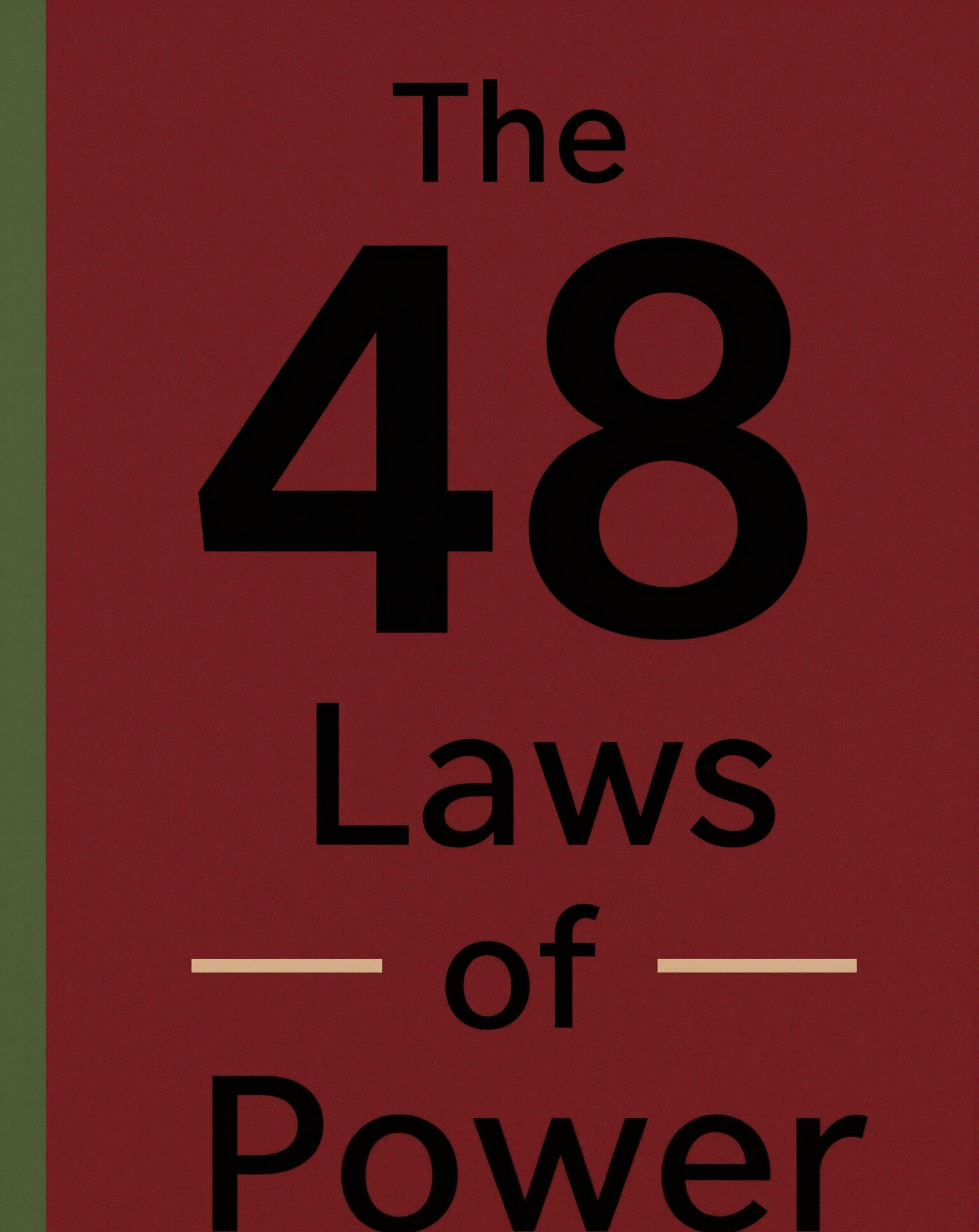
2. The 48 Laws of Power by Robert Greene [2]
The Core Lesson: Understand power so you can't be used by it, and learn when to stop.
Greene's book uses centuries of history to show how power is gained, kept, and lost. Many veterans pick it up after service because the civilian workplace runs on rules nobody explains. The book can help you see office politics, manipulation, and influence for what they are.
But read it closely and you'll find it's also a record of people who were destroyed by their own power. Many of its historical stories end in ruin. Law 47 warns against pushing past the goal you set and teaches you to stop once you've won. Overreach, arrogance, and the hunger for "just a little more" bring down kings, generals, and executives again and again.
For the Veteran: Use this book as a map, not a playbook. Understand how power works so you can protect yourself and your mission. Then remember its quieter lesson: unchecked ambition destroys the person who holds it. Set clear goals, know what "enough" looks like for you, and stop when you get there. The discipline to stop is a form of strength.
3. The Great Gatsby by F. Scott Fitzgerald [3]
The Core Lesson: Money and status can't fill the space where purpose belongs.
Jay Gatsby and Nick Carraway are both World War I veterans. Gatsby comes home and pours his whole identity into one goal: reclaiming the past. He builds a fortune, throws lavish parties, and creates a new persona, all to fill a void that money and attention can't fill. Around him are Tom and Daisy Buchanan, wealthy and powerful people who damage other lives and walk away untouched. Through the "valley of ashes," Fitzgerald shows the emptiness underneath the glitter of the Jazz Age.
For the Veteran: This is a warning about chasing the wrong kind of power. After service, it's easy to chase a job title, a paycheck, or the approval of people who don't understand you, and to burn yourself out doing it. Gatsby gains wealth and influence and still loses everything that matters. Healthy reinvention isn't about becoming someone flashier. It's about becoming someone whole. Grow at a pace you can sustain. Chase meaning, not image.
The Final Takeaway:
All three books say the same thing in different ways: power without purpose destroys. Roark shows the strength of a clear vision. Wynand, Greene's fallen kings, and Gatsby show what happens when power becomes the goal instead of the tool.
You were forged by fire. Now the mission is shaping the person who comes out of it. Take it one chapter at a time. Rest is part of the plan. Asking for help is part of the plan. That isn't weakness. It's good leadership, applied to yourself.
If you're in that 2:00 AM fight right now, you don't have to fight it alone. Call the Veterans Crisis Line: dial 988, then press 1. You can also text 838255 or chat at VeteransCrisisLine.net.
Coming in Part 2: Life of Pi, Meditations by Marcus Aurelius, and Man's Search for Meaning. We'll look at how to process hard experiences, build steady habits of mind, and find purpose without carrying everything alone.
— Robert PierceFounder, VTXY LLC | Creator of VeteransYard.net
[1] Rand, Ayn. The Fountainhead. Bobbs-Merrill, 1943.
[2] Greene, Robert. The 48 Laws of Power. Viking, 1998.
[3] Fitzgerald, F. Scott. The Great Gatsby. Charles Scribner's Sons, 1925.


Comments